Integrated engineering and modern production equipment reduce waste, rework and total cost.
Many industrialized construction companies highlight speed as their main argument. It's a real advantage, but it cannot be the only one: a fast project that remains expensive is not necessarily a more accessible project for the end client. Our approach starts from a different premise: speed is a consequence of good organization, not an objective in itself, and the final price is determined at stages the client never sees.
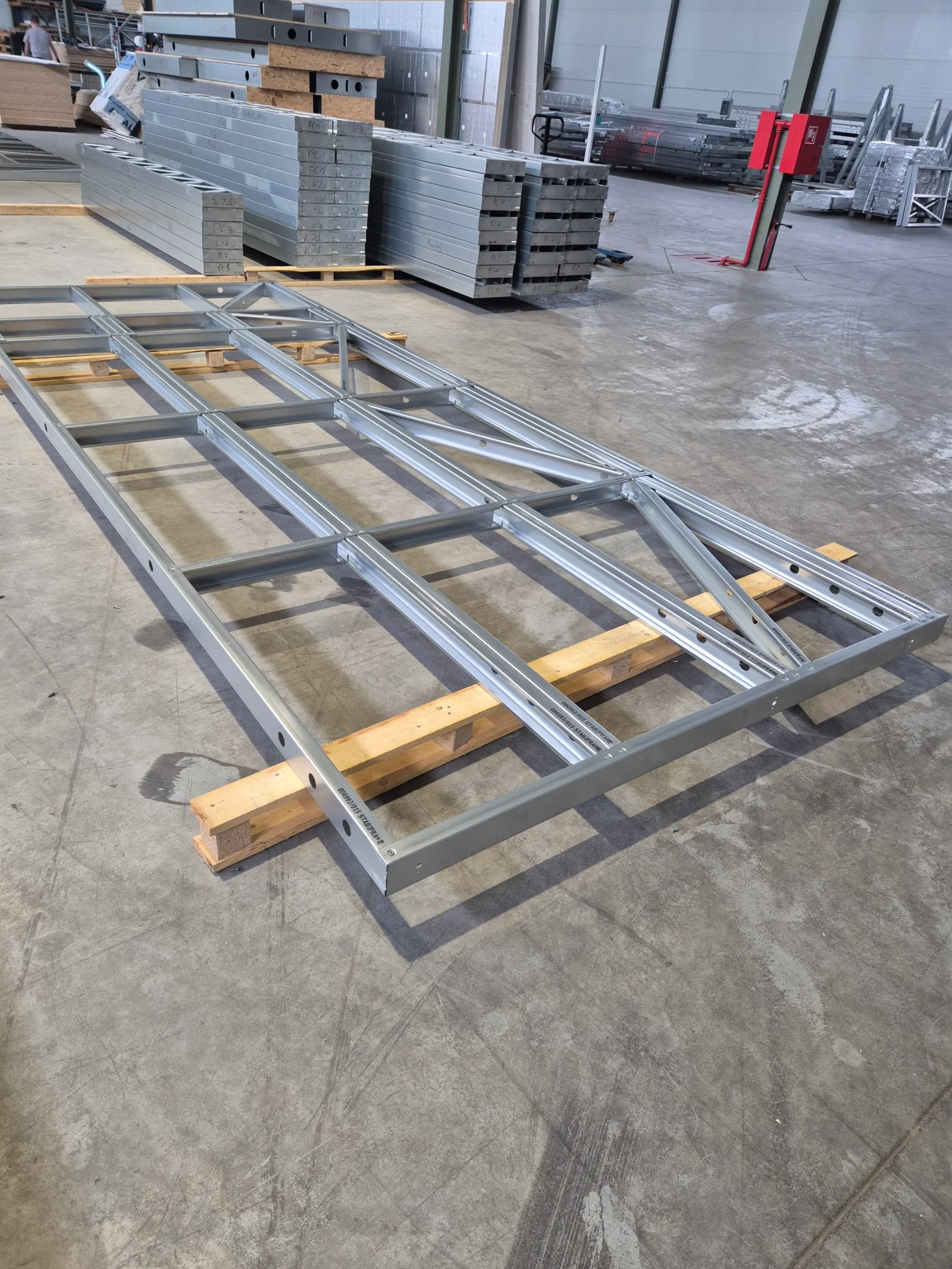
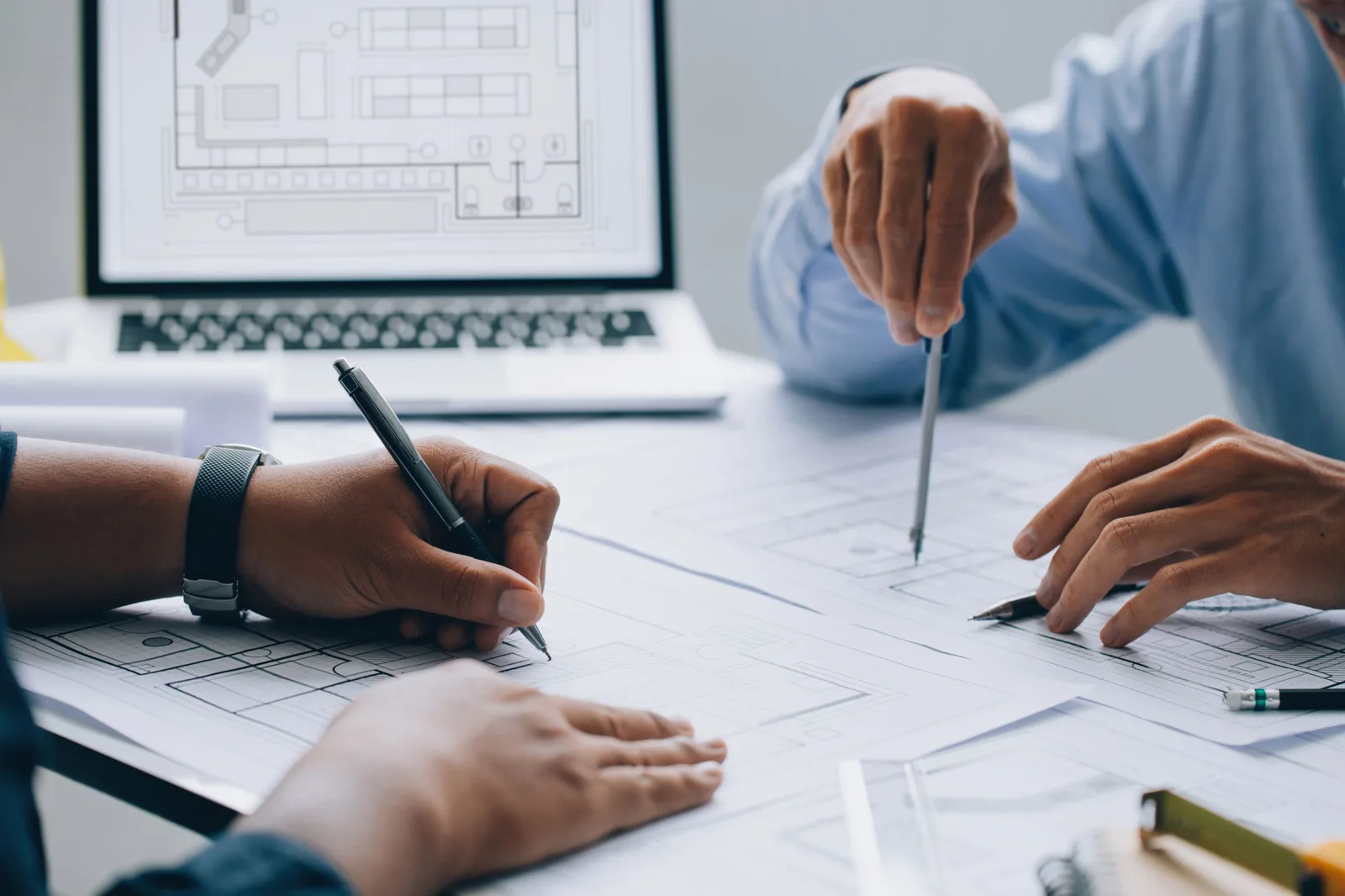
Our difference lies in two investments that we deliberately chose to combine rather than selecting one or the other. On one hand, an integrated engineering department that works with the latest modeling and calculation technologies—the single digital model described earlier. On the other, a fleet of machinery that we regularly renew to stay at the cutting edge of cold-forming, cutting, and digital punching.
This combination has a concrete impact on costs at several levels. Upstream, optimizing the cutting plans ('nesting') reduces the material lost as scrap from each steel coil used. In manufacturing, the automation of cutting and punching reduces machine time and the labor required in the workshop. On site, the precision of fabrication reduces rework and adjustments, which, in traditional construction, are a source of extra costs that are difficult to estimate in advance and often discovered during the course of the project.
There is a fundamental difference between lowering a price by reducing quality and lowering a price by reducing waste. The first approach will sooner or later become apparent in the delivered building. The second changes nothing in the final result for the client: the same steel, the same precision, the same engineering standard—but with fewer hours wasted at each step of the process to get there.
It is this accumulation of small optimizations—less wasted material, less rework, fewer labor hours at each stage—that allows us to offer prices lower than traditional construction, and most often lower than other industrialized solutions that focus solely on assembly speed without having optimized the upstream design and manufacturing process.
We continue to invest in the research and development of our know-how, because we believe that the best way to make steel construction more affordable is not to cut corners on the quality of materials or finishes: it is to continuously optimize the way we design, engineer, and manufacture each project, year after year.